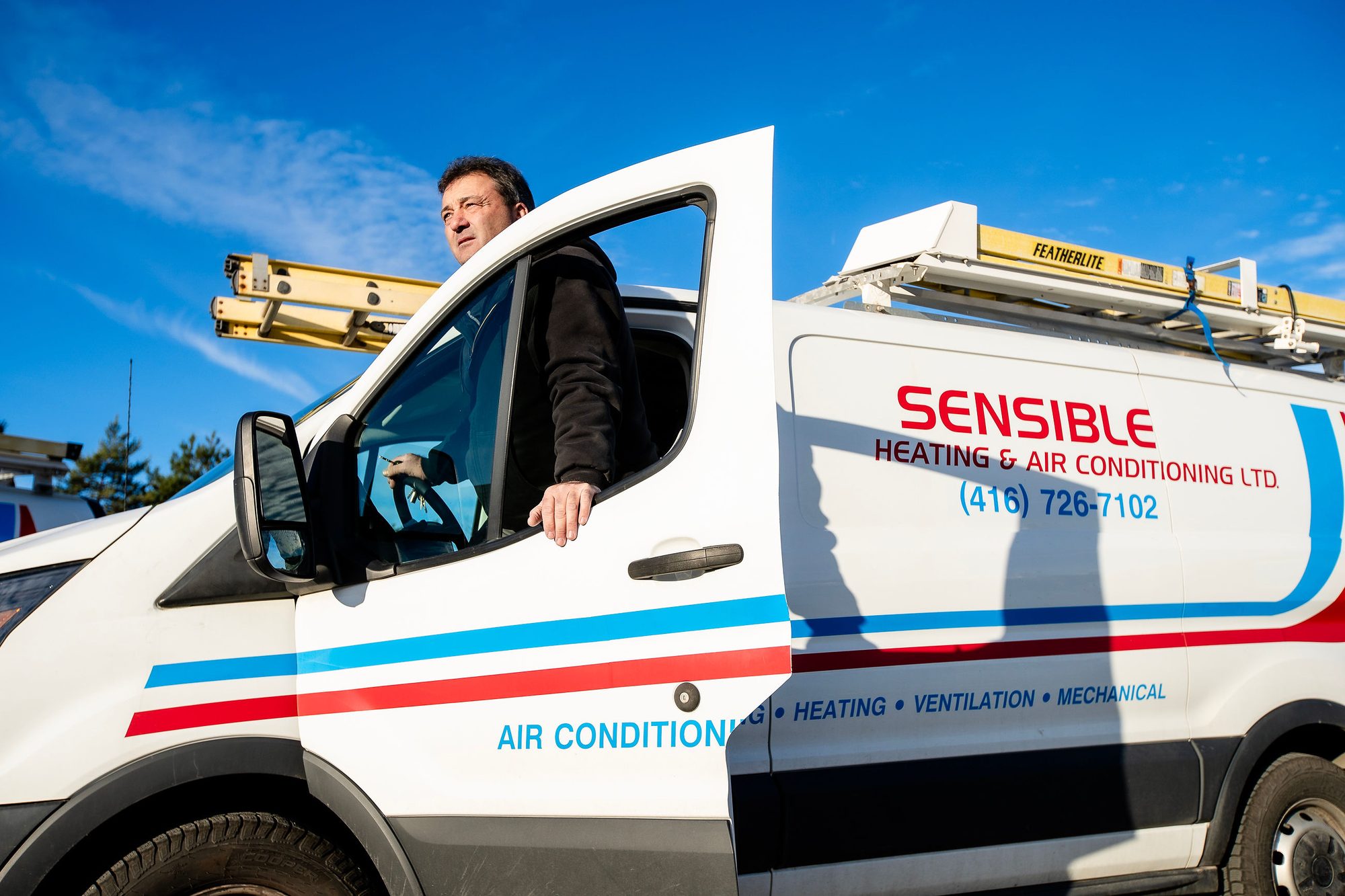
Building Automation & HVAC Controls in the GTA
Practical controls support for schedules, sensors, alarms, sequences and connected commercial HVAC equipment.
Commercial & industrial HVAC support across the Greater Toronto Area.
Call nowControls connect operating intent to equipment response
A building automation system can coordinate schedules, setpoints, sensors, actuators, alarms and equipment sequences across a facility. It does not replace hands-on maintenance, and a control alarm does not always mean the controller is the root cause. Sensible follows the command from the BAS to the connected HVAC equipment and verifies the physical response.
Where this equipment is used
- Office towers and multi-tenant properties
- Schools, campuses and healthcare facilities
- Hotels, warehouses and mixed equipment portfolios
- Buildings with legacy and newer control layers
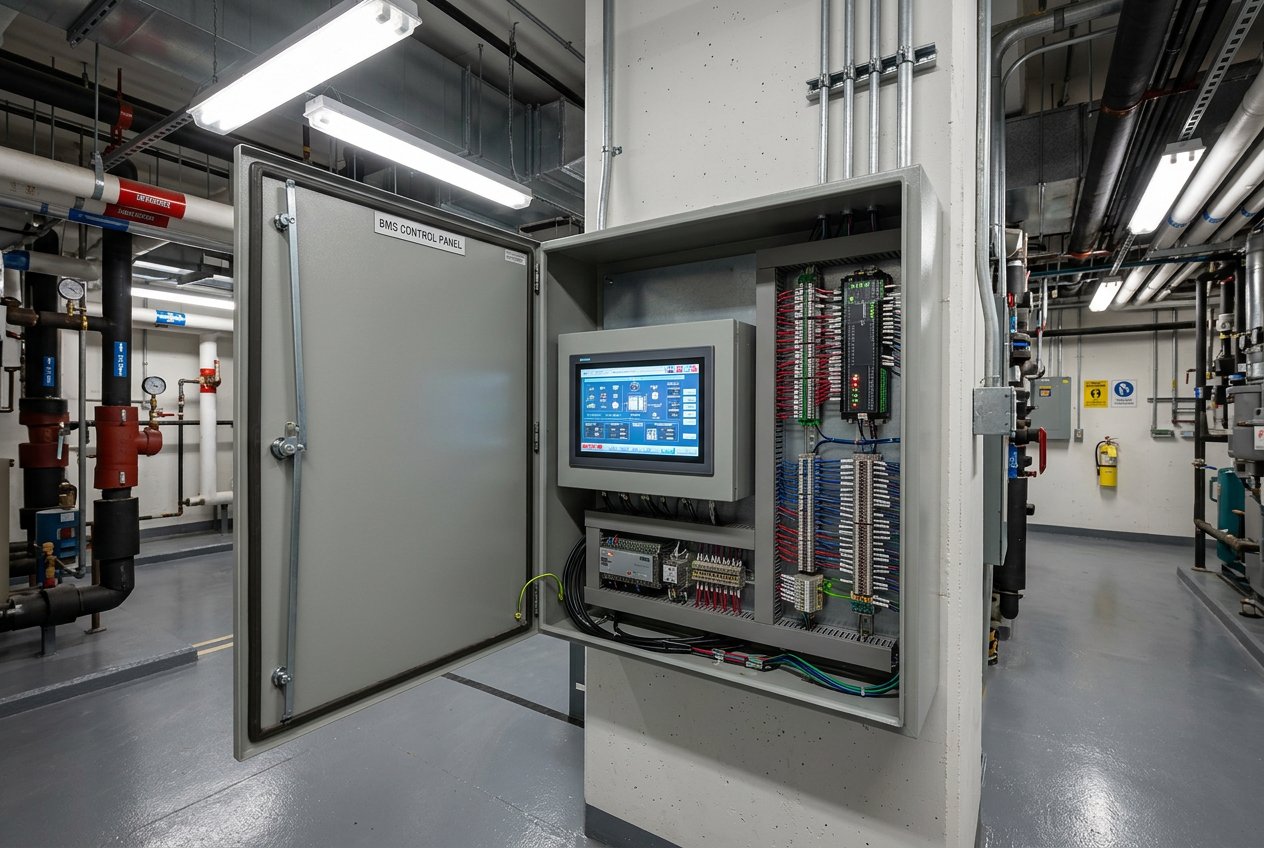
Signs you need building automation system repair
- Persistent overrides left in place long after the reason for them passed
- Schedules and setpoints that no longer match how the building is used
- Sensors, actuators, valves or dampers not responding as commanded
- Equipment enable signals not following the sequence of operation
- Alarms repeating without anyone acting on them
- Communication faults, or trends that have stopped logging
Signs you need building automation system replacement
- Legacy equipment or protocols limiting what can be integrated
- Point mapping that no longer reflects the plant as it now stands
- Sequences that cannot deliver the owner's current operating priorities
- Alarm and trend capability insufficient for how the building is run
- Interface limits preventing new equipment from being brought on
- Documentation gaps that make the system hard to operate or hand over
Signs you need building automation system preventative maintenance
- Schedules, setpoints and overrides never reviewed
- Sensor and actuator response not spot-checked against actual conditions
- Trends not used to identify recurring faults or unstable operation
- Point, sequence and equipment documentation out of date
- Alarm history accumulating without review
- No routine check that the system still reflects how the building is occupied
Frequently asked
Usually because an override was the fastest way to resolve a complaint and nobody came back to it. Individually they are harmless; collectively they mean the building is no longer running the sequence it was designed around, and energy use and comfort both drift as a result.
ANSI/ASHRAE/ACCA Standard 180 covers controls alongside the equipment they serve. In practice a review each season is enough for most buildings, checking schedules against actual occupancy, spot-checking sensors, and reading trends for faults that are repeating without alarming.
Often, but the limits are worth establishing early. Legacy protocols, available points and interface capability determine what is achievable, and it is considerably cheaper to establish that before equipment is selected than during commissioning.
Point mapping and sequences that reflect the plant as it stands, alarms and trends the operating team will genuinely use, functional testing that proves it, and documentation and handover so the building can be run without the installer present.
Because most faults are gradual. A valve hunting, a sensor drifting, or a stage that never sheds shows up in trends long before it crosses an alarm threshold. Reading trends is what turns controls from a fault-reporting system into a diagnostic one.
Choose the support your equipment needs
Move from equipment information to the right service path without repeating technical detail on every page.
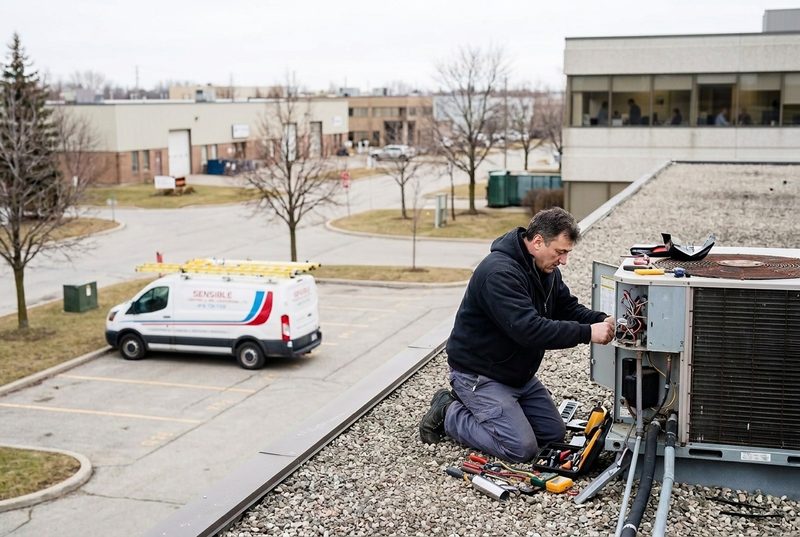
Repairs & Emergency Service
24/7 commercial HVAC support that starts with the fault, documents the findings and explains the recommended repair path.
View related service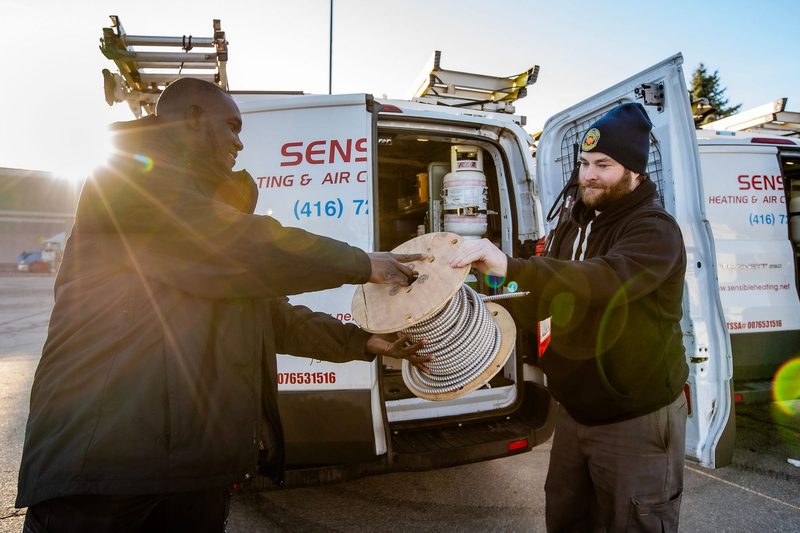
Installation & Retrofits
Building-specific installation and retrofit planning that considers equipment condition, load, controls, access and operating constraints.
View related service
Preventive Maintenance
Scheduled, equipment-aware maintenance that helps identify deterioration, support seasonal readiness and improve repair planning.
View related service