Commercial HVAC Preventive Maintenance
Build a maintenance program around equipment condition, seasonal readiness and clear repair priorities.
Commercial & industrial HVAC support across the Greater Toronto Area.
Call nowProtect Your Investment
Keep mechanical systems operating smoothly and stress-free all year long. Routine inspections, cleaning and system optimization help catch issues early, before they become costly disruptions. Benefits of the Sensible Maintenance Program include:
- Reduced operating costs
- Better energy performance
- Higher system reliability
- 24/7/365 emergency support
- Longer equipment lifespan
- Lower total cost of ownership
Signs you need a maintenance programme
- Service is reactive — you call when something has already stopped
- No scheduled inspection before heating and cooling seasons
- Findings from past visits with no documented follow-up
- Nobody on your side holds the equipment history
- Statutory inspections or certificates tracked informally, or not at all
- Repairs arriving as unplanned costs rather than planned spend
How a programme works
- 1
Assess
We review the equipment, facility conditions and operating priorities so the program reflects how the building actually runs.
- 2
Schedule
Program scope and frequency are tailored to the equipment, facility conditions and operating priorities.
- 3
Report
Each visit ends with a record of the maintenance tasks and checks completed, with developing conditions flagged for follow-up.
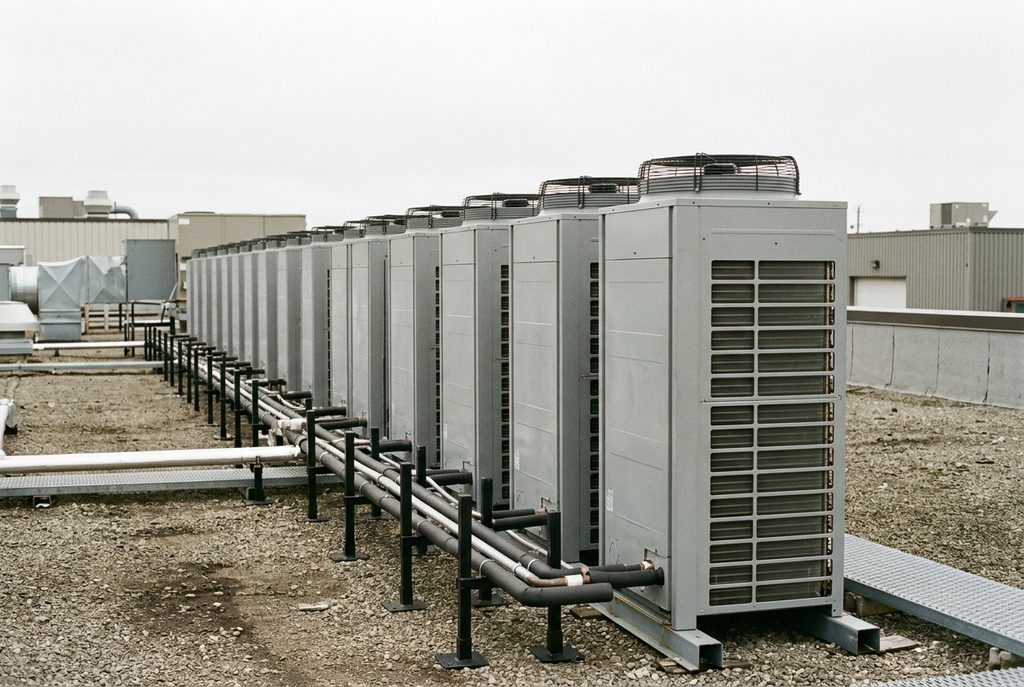
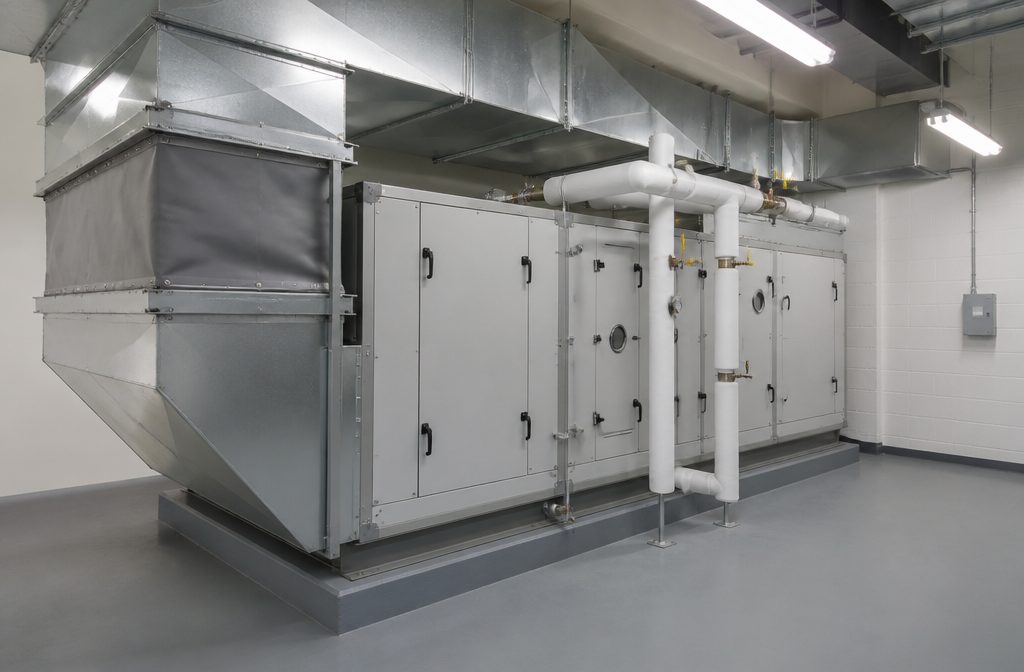
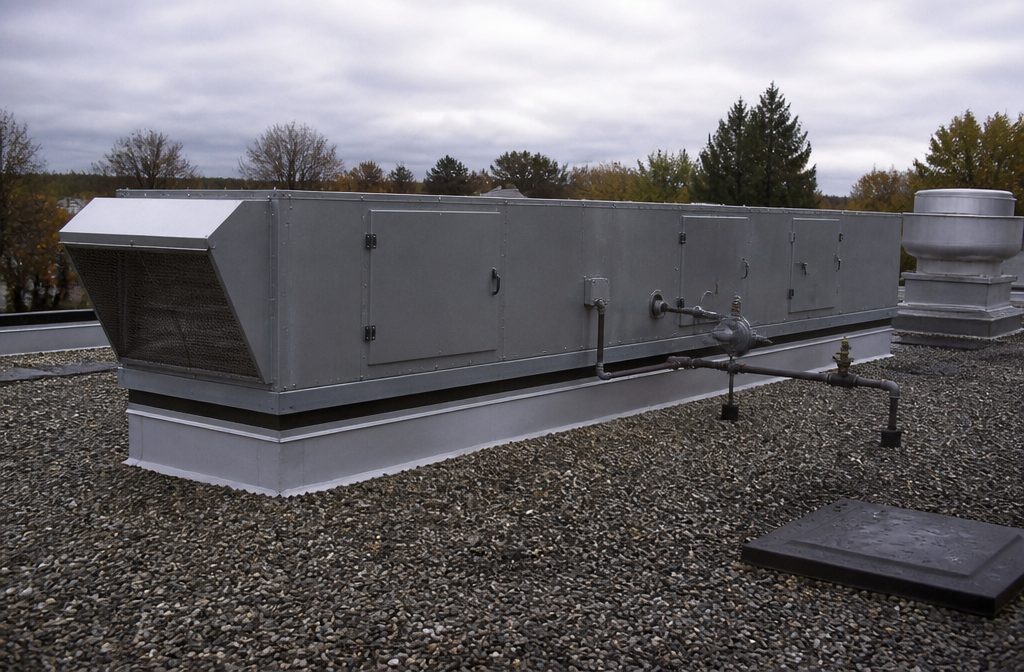
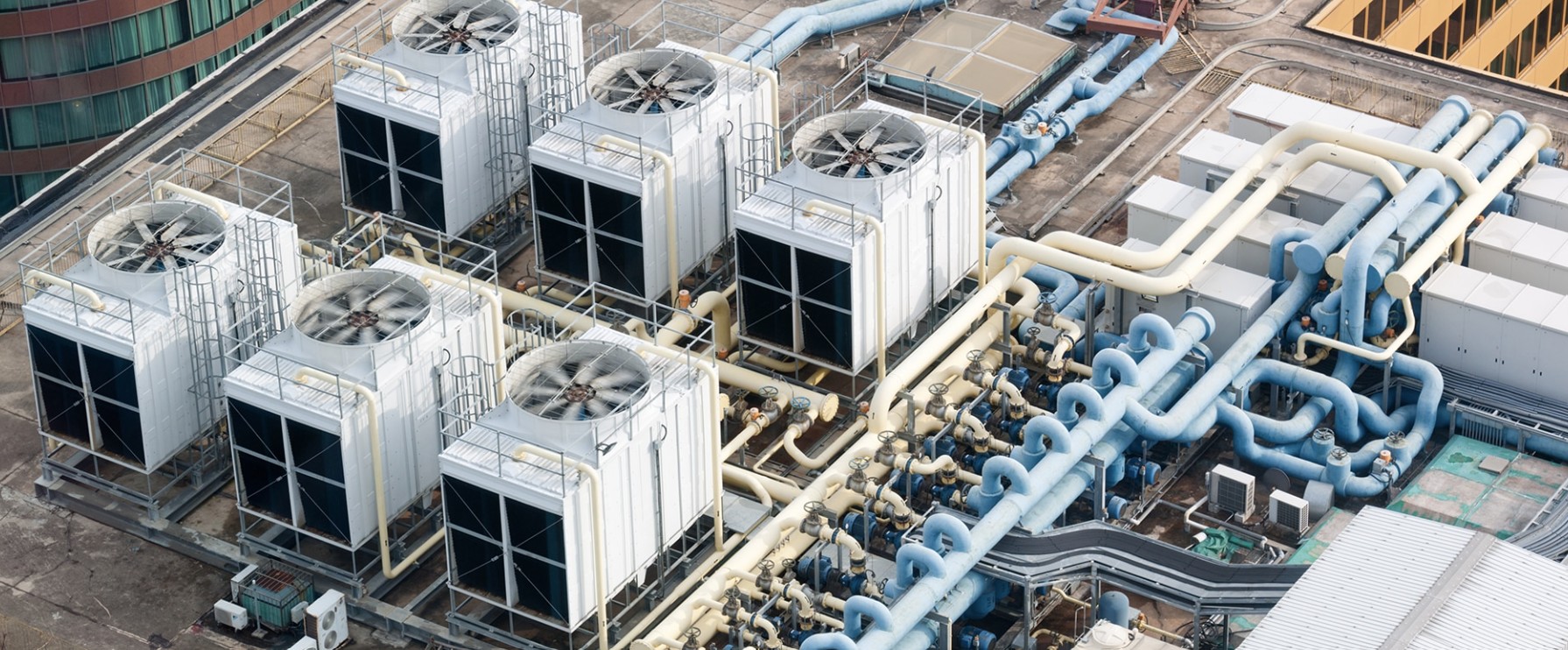
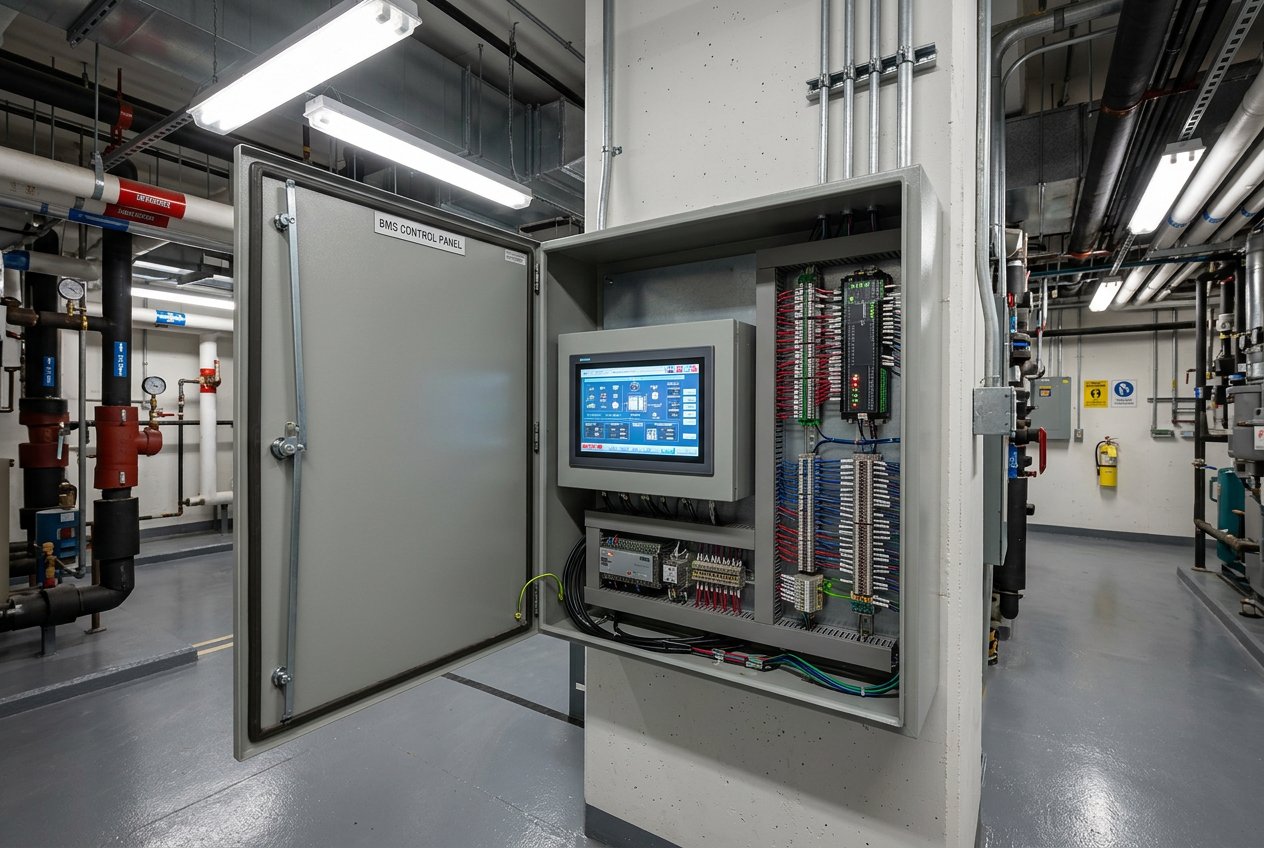
Equipment We Maintain
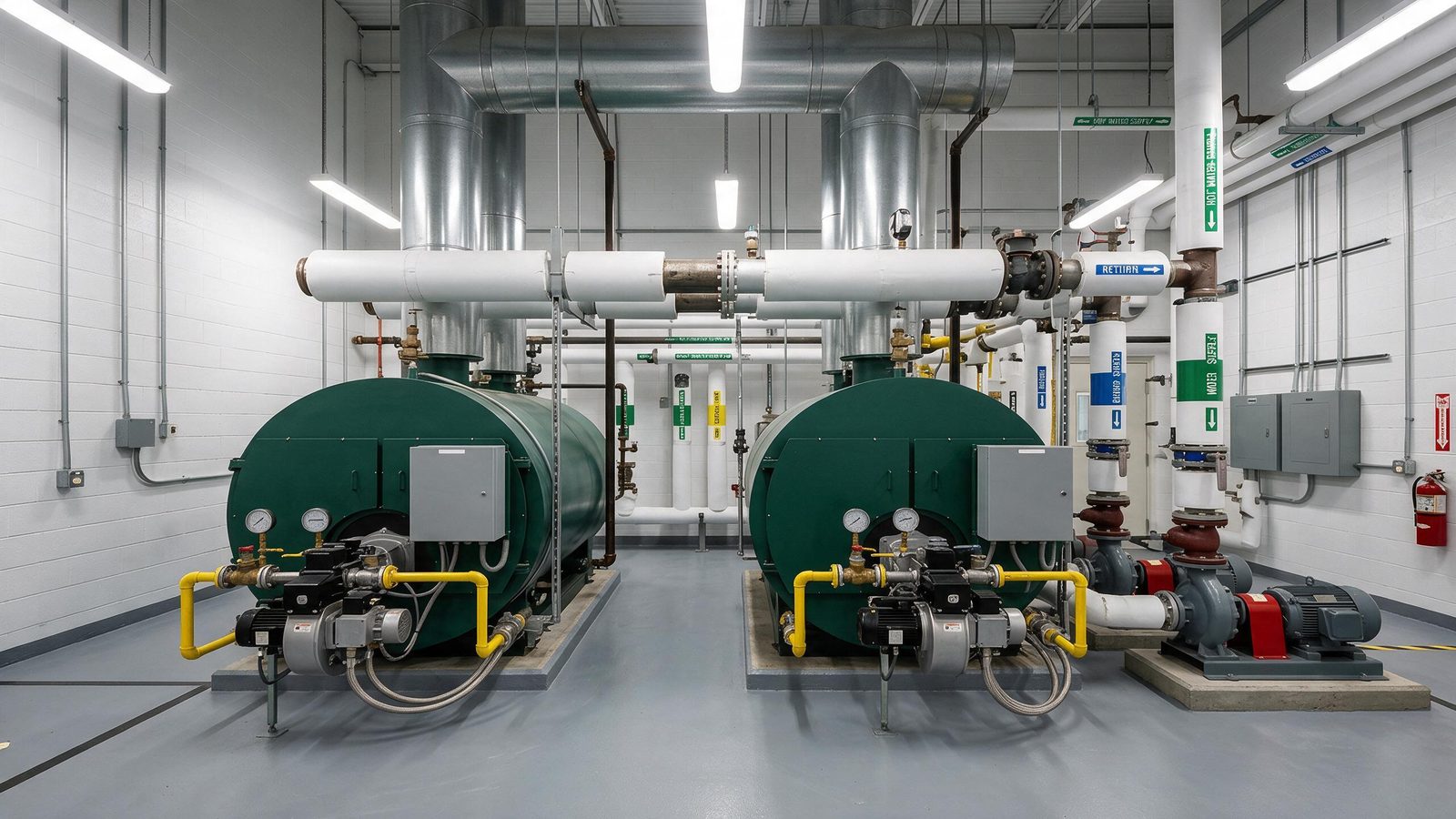
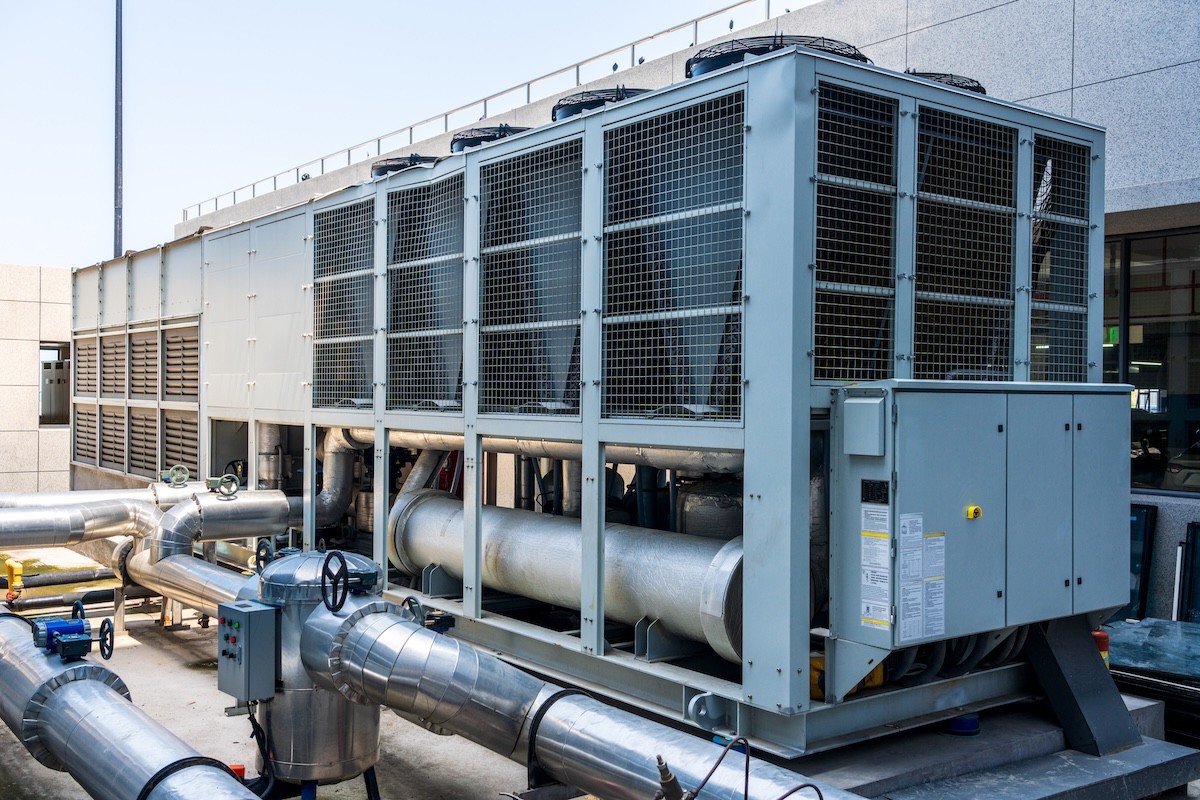
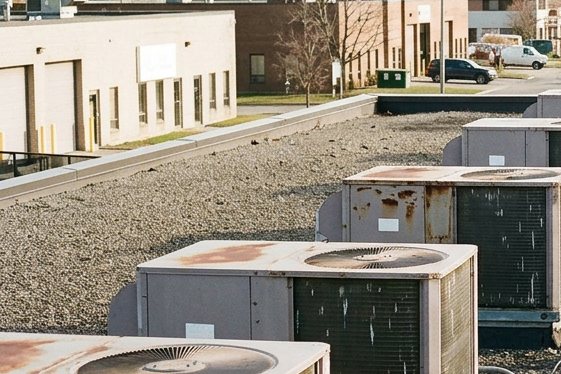
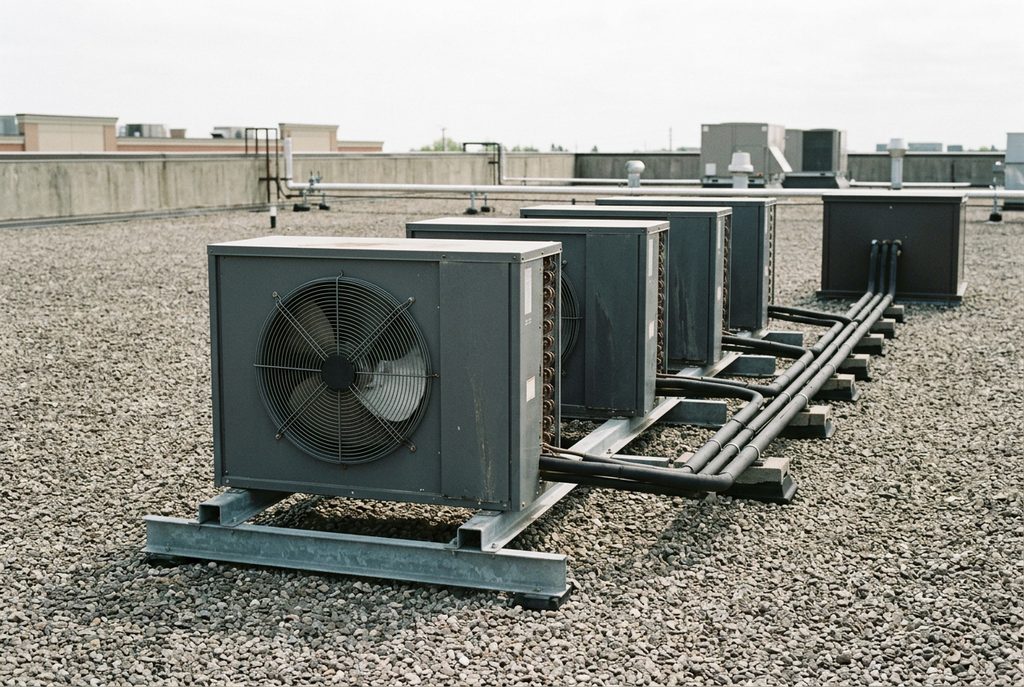
What's Included
Program scope and frequency are tailored to the equipment, facility conditions and operating priorities.
- Comprehensive system inspections
- Filter and belt replacement
- Coil cleaning and airflow optimization
- Seasonal heating and cooling adjustments
- Combustion and refrigerant analysis
- Building automation checks
Clear findings and recommended next steps
Maintenance is more useful when the building team can distinguish completed work, developing conditions and future priorities.
-
Work completed
A record of the maintenance tasks and checks completed for the agreed scope.
-
Observed deficiencies
Visible issues, abnormal readings or control conditions that need repair, monitoring or further assessment.
-
Prioritized recommendations
Next steps organized so urgent work, seasonal work and capital planning do not blur together.
Frequently asked
ANSI/ASHRAE/ACCA Standard 180 sets inspection and maintenance tasks at defined frequencies for commercial HVAC, along with the documentation that should support them. In practice most buildings schedule before the heating and cooling seasons, with the interval set by equipment, run hours, condition, occupancy and how critical the system is.
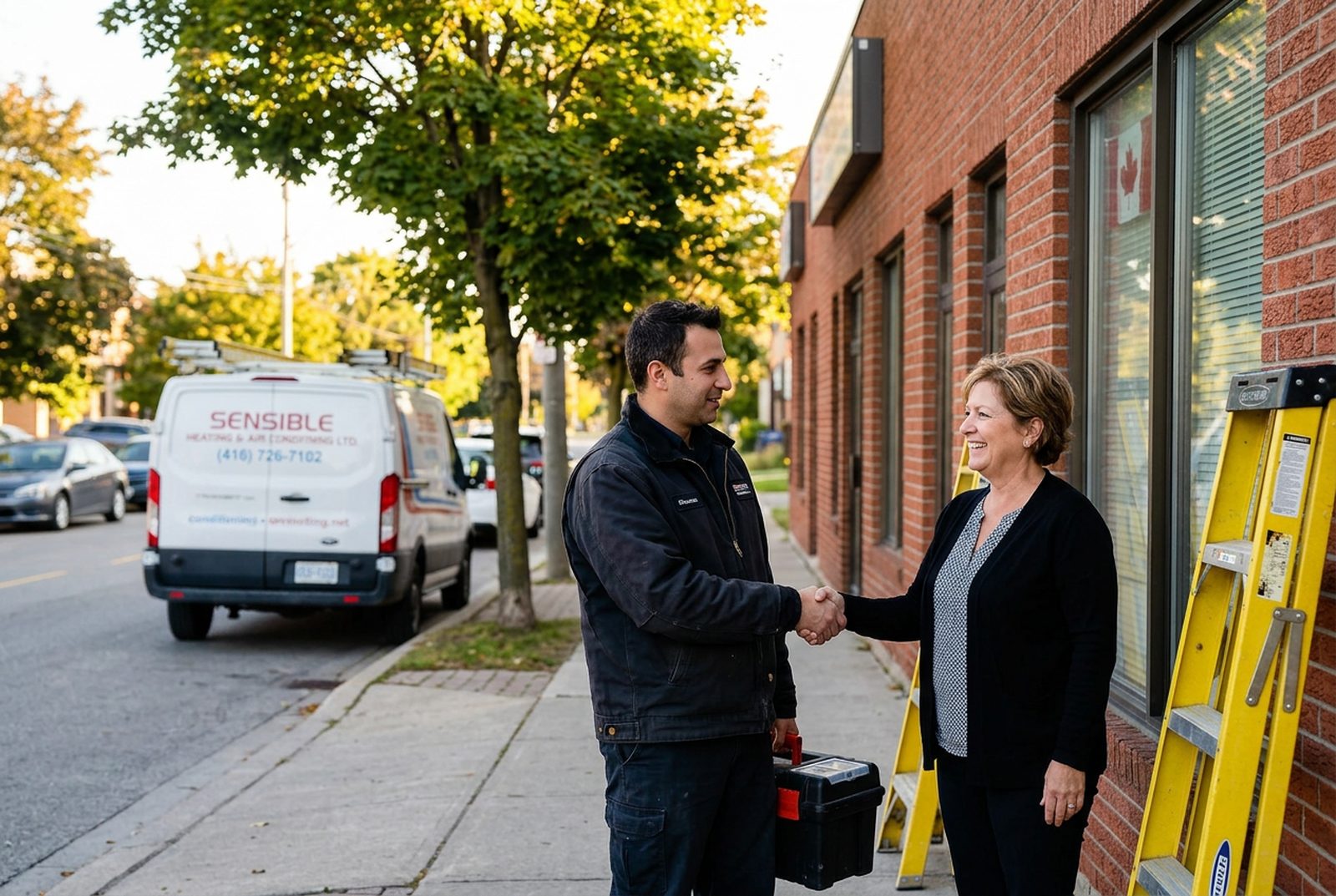
Scheduled visits set to your equipment and building use, a named contact who knows your buildings and budget cycle, and priority response on emergency calls. Findings are documented so they can feed repair decisions and capital planning rather than sitting in a service ticket.
It supports them. Ontario boilers and pressure vessels require a valid Certificate of Inspection under O. Reg. 220/01, cooling towers sit inside a water management plan, and commercial kitchen exhaust falls under the Fire Code. A documented maintenance record is what makes those straightforward rather than a scramble.
No, and anyone claiming otherwise is overselling. What it does is surface developing conditions in readings and inspection findings before they become a complete failure, so the next step can be planned around operating priorities instead of forced by a breakdown.
Yes. Frequency is set per building and per system rather than applied uniformly, and reporting is consolidated so a portfolio can be reviewed together at budget time.