24/7 Emergency HVAC Repair Services
When your HVAC system fails, every minute counts. Our licensed technicians are on standby around the clock.
Commercial & industrial HVAC support across the Greater Toronto Area.
Call nowRound-the-Clock Emergency Support
When commercial heating, cooling or ventilation equipment fails, the first priority is a clear assessment of the building condition and the affected system. Sensible provides 24/7 emergency HVAC support across the Greater Toronto Area. Our technicians diagnose the fault, explain the immediate repair path and identify any condition that should be addressed through planned follow-up.
Signs you need emergency repair
- Heating, cooling or ventilation has stopped in an occupied space
- A fault that carries a safety, water or electrical risk if left running
- Equipment repeatedly tripping its safeties or refusing to restart
- Burning smells, unusual noise or visible leakage at the unit
- A critical space losing its temperature, humidity or pressure condition
- A failure during a heat or cold warning, when delay compounds the risk
Our emergency response process
- 1
Call
Reach us 24/7 at (416) 726-7102. A knowledgeable representative will gather the key building, equipment and safety details and coordinate the next response.
- 2
Dispatch
We dispatch a licensed technician to your facility as quickly as possible, equipped with commercial HVAC diagnostic tools and the information gathered during your call.
- 3
Repair
Our technician diagnoses the issue, explains the findings with you, and completes the authorized repair where conditions and available parts allow. Any remaining risk or follow-up is documented clearly.
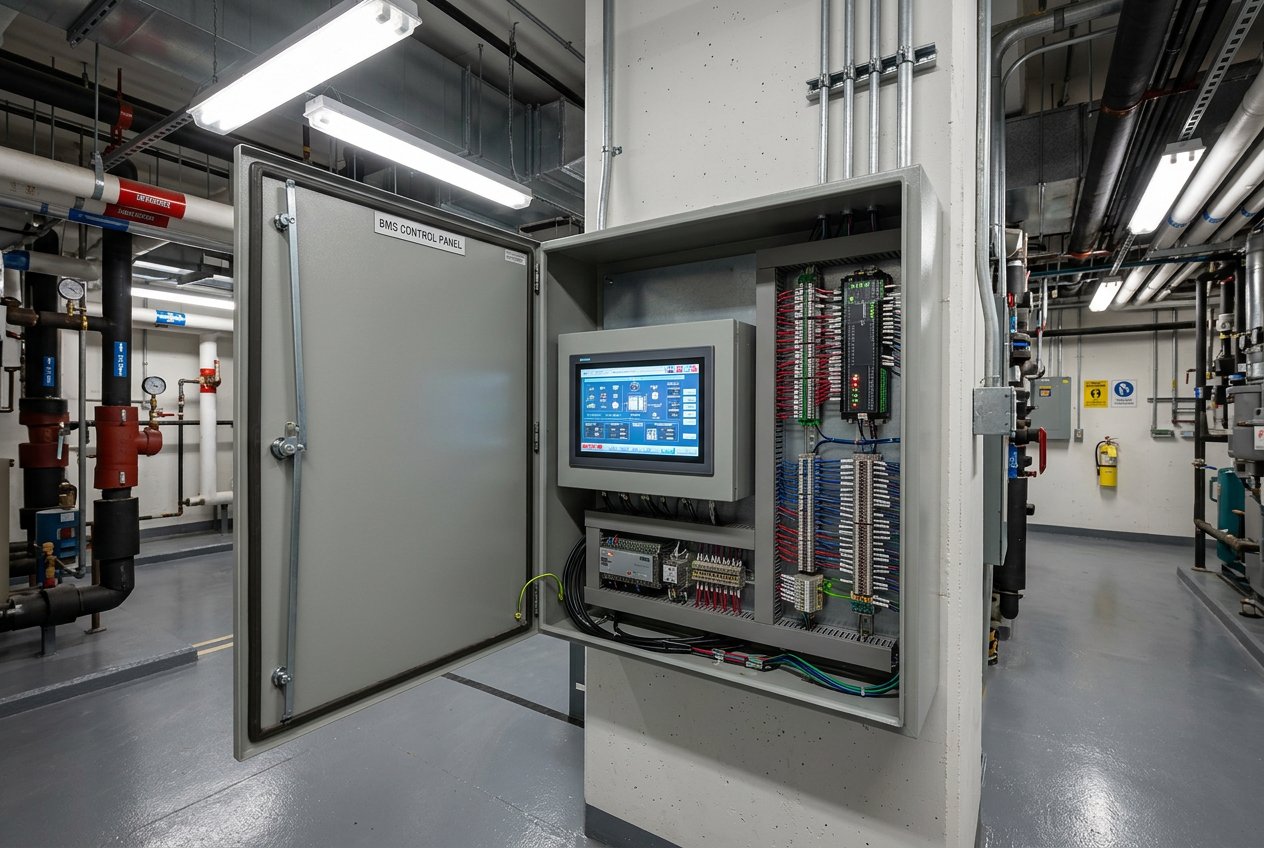
Systems We Repair
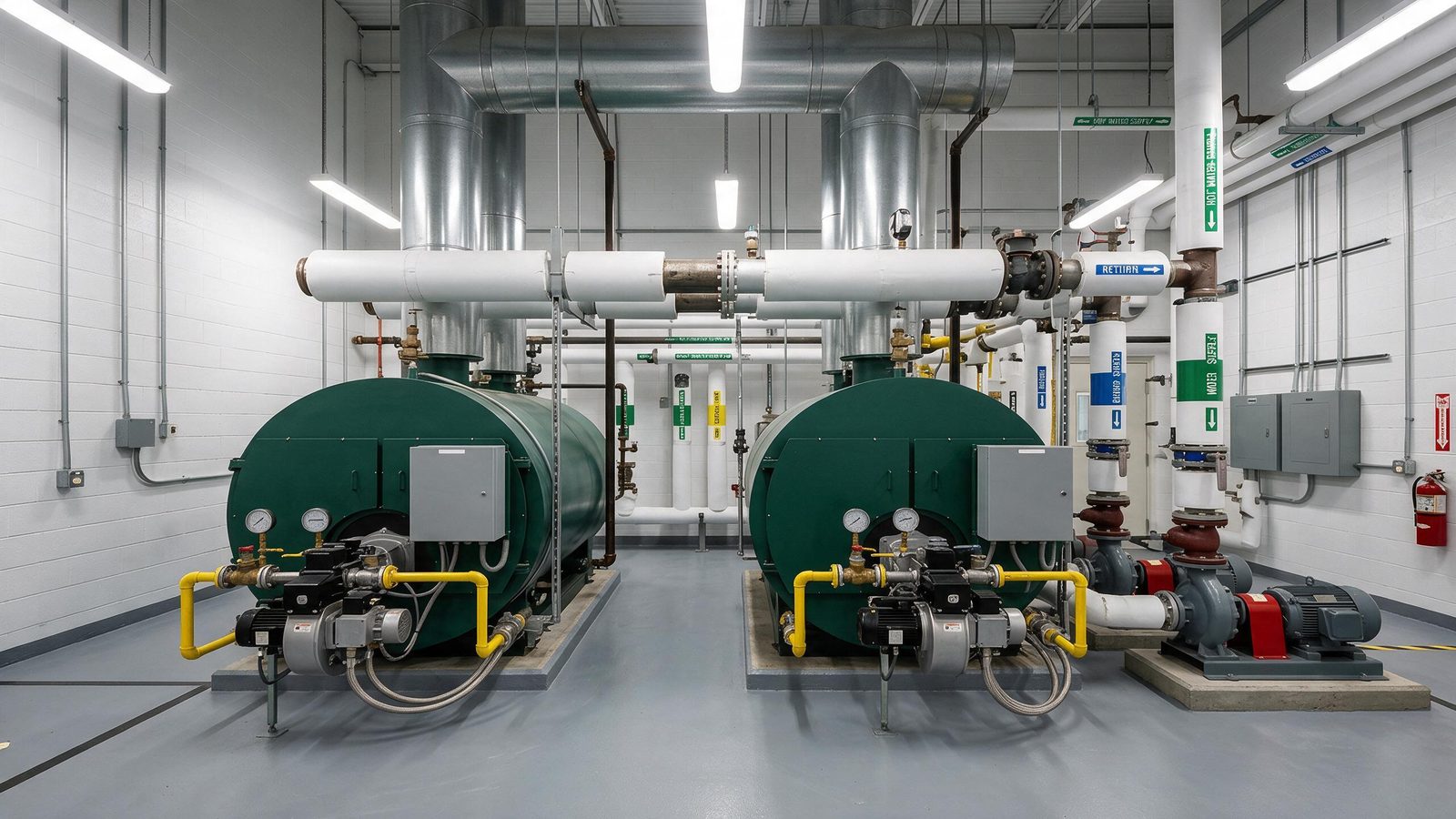
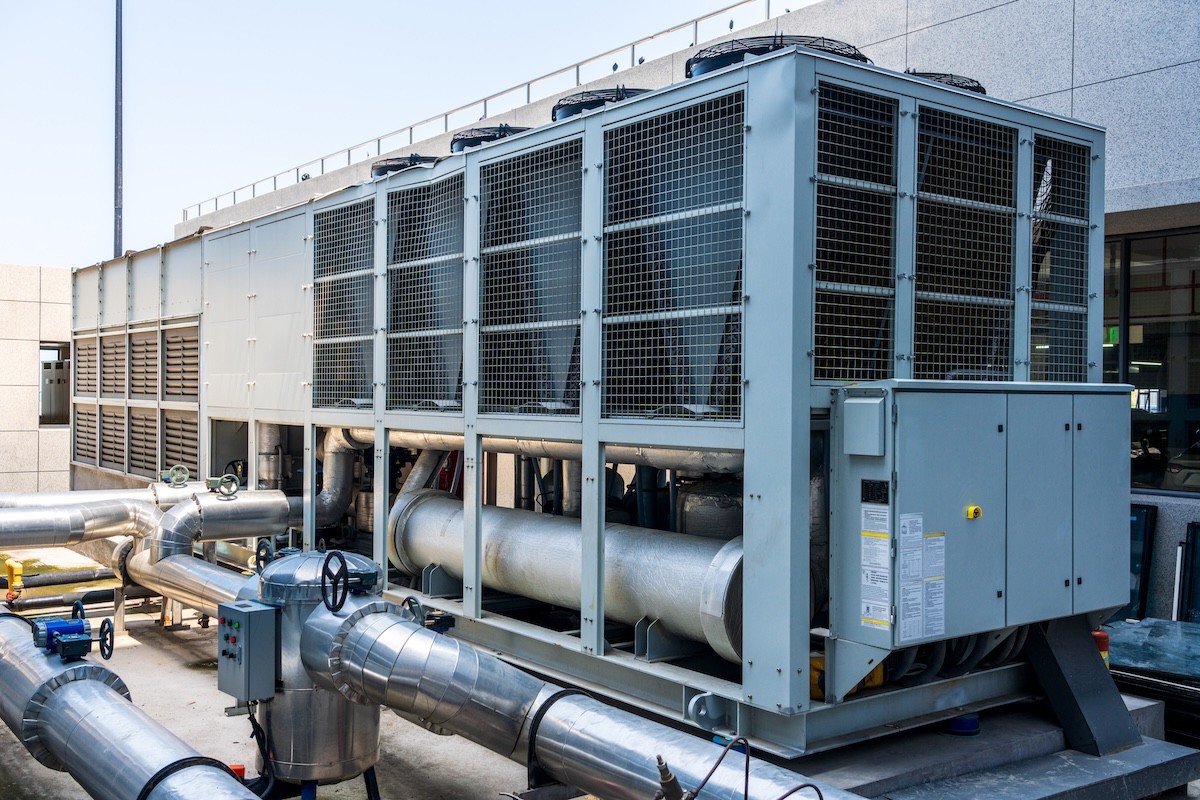
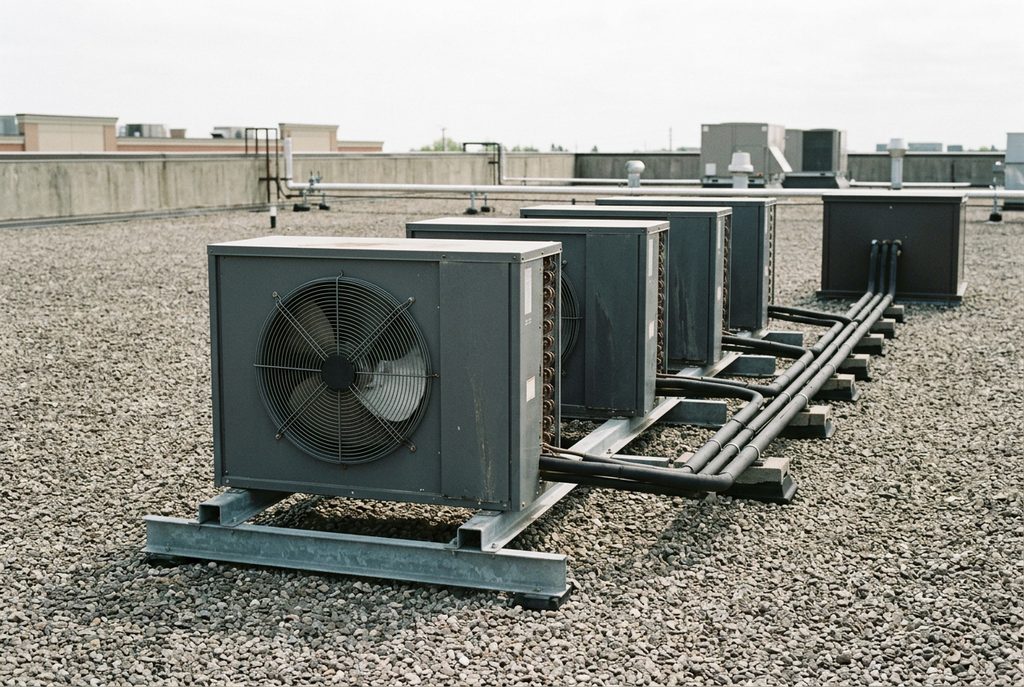
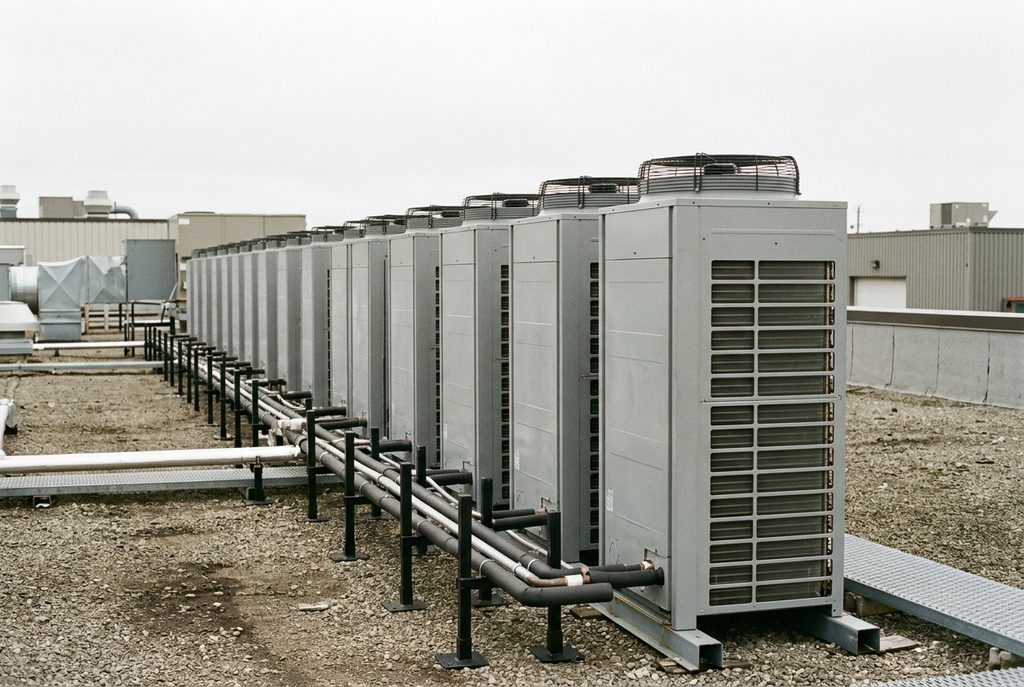
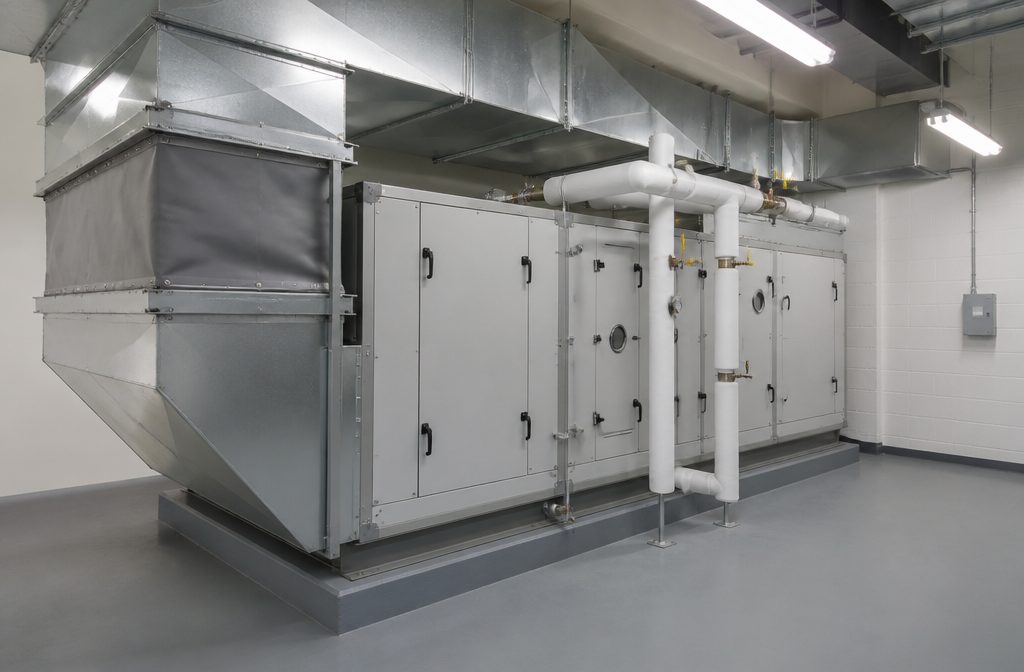
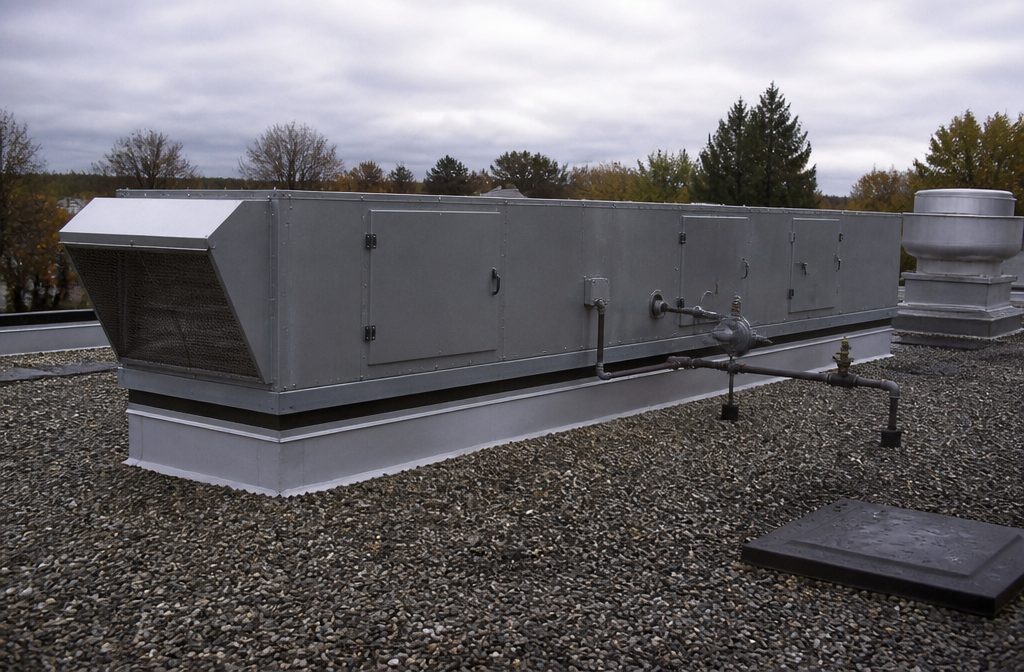
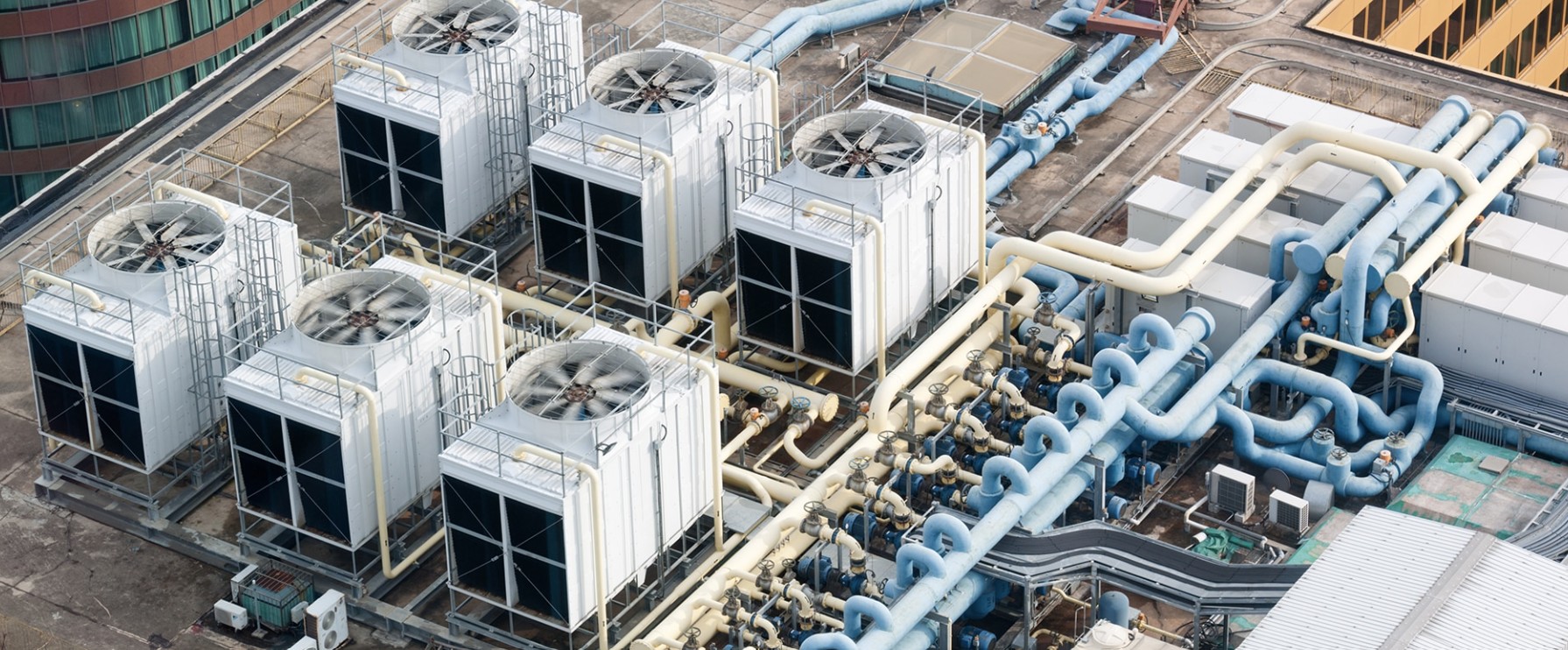
From immediate repair to a practical next step
An emergency visit should leave the facility team with a clearer understanding of the fault, the completed work and any condition that still needs attention.
-
Document the fault
Record the reported condition, diagnostic findings and work completed during the visit.
-
Identify contributing conditions
Flag visible wear, control issues or connected-system conditions that warrant monitoring or further assessment.
-
Plan the follow-up
Move non-urgent recommendations into preventive maintenance or retrofit planning instead of leaving them inside an emergency call.
Frequently asked
A knowledgeable representative, not an answering service. They gather the building, equipment and safety details that determine what gets dispatched and how quickly, so the technician arrives with the context rather than starting from scratch on site.
We dispatch a licensed technician with the information gathered during your call and with commercial HVAC diagnostic equipment. Where a condition carries an immediate safety risk, we will tell you what to isolate or shut down while you wait.
Where conditions and available parts allow, yes. Where they do not, the findings and any remaining risk are documented clearly so you know what is outstanding and what it depends on, rather than being left with an open job and no detail.
Yes. Buildings on a maintenance programme go to the front of the queue on emergency calls. That is the practical point of holding a contract, alongside the fact that a building we already know is faster to diagnose.
Contributing conditions — visible wear, control issues, connected-system problems — are flagged during the visit and moved into preventive maintenance or retrofit planning rather than left inside an emergency ticket where they will be forgotten.